Global News Network logo
  • News
  • Continents v
    Africa Europe Asia Oceania North America South America
  • Business
    Finance Stocks Bonds Commodities Real Estate
  • Health
  • Opinion
    Editorials Columns Interviews Guest Pieces
  • Sports
    Football Rugby Basketball Athletics Cricket Motorsport
  • Lifestyle
    Travel Food Home & Garden Health & Wellness Fashion Relationships Arts & Culture Leisure Events Calendar

Health News

Stay informed with the latest health news, medical breakthroughs, and wellness tips from around the world.

Nearly Half of Kenya’s Healthcare Workers Exhibit Depressive Symptoms, New Study Warns

By George Mutua

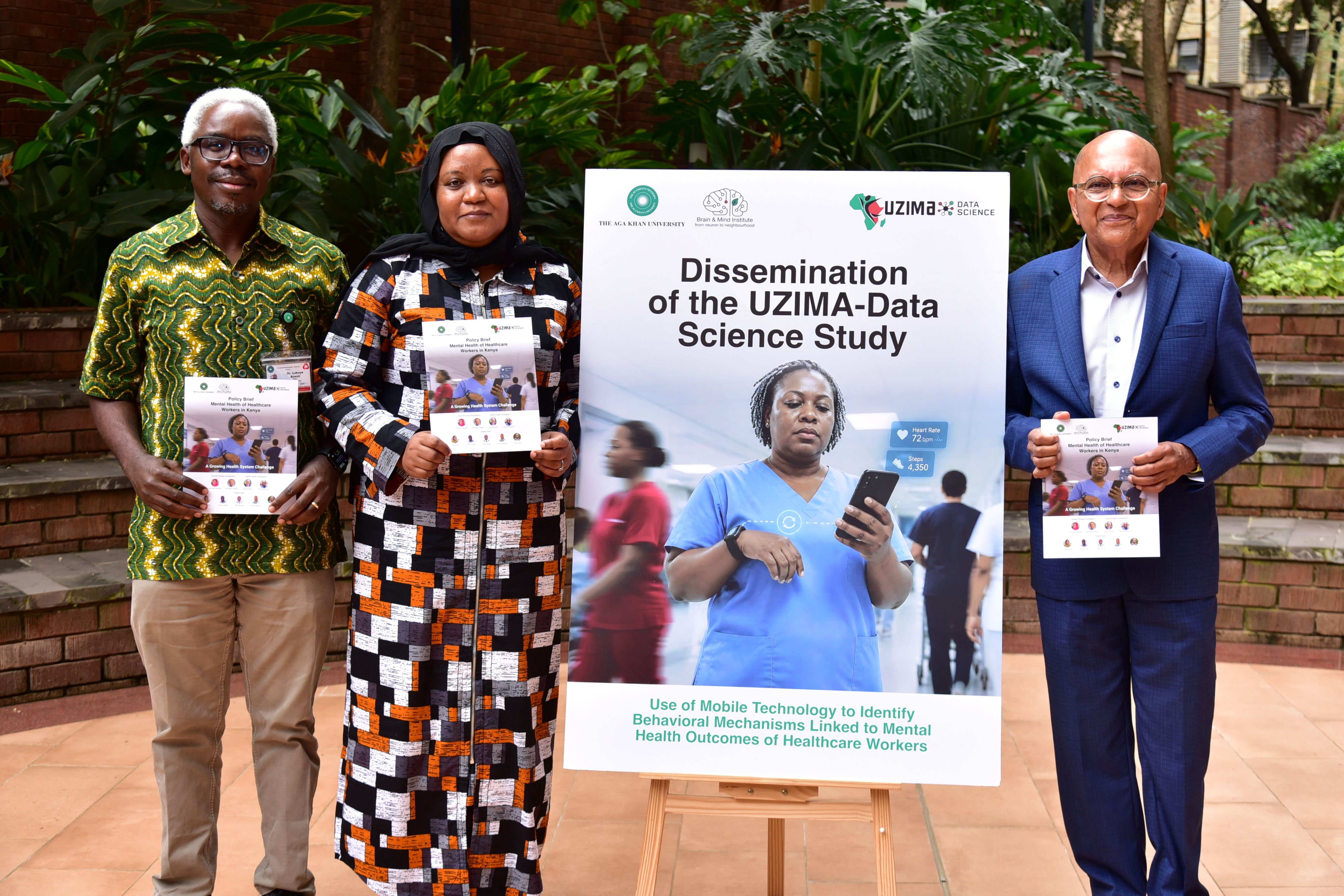
Healthcare Workers Mental Health Study Release
(From Left) Uzima-Data Science Study Co-Principal Investigator Prof. Lukoye Atwoli, Overall Principal Investigator Prof Amina Abubakar & Aga Khan University-Brain and Mind Institute Director Prof Zul Merali during the release of findings on the state of mental health of healthcare workers in Kenya.
“When you are distressed and stressed, when you have depression, you can make many errors. You make errors in judgment, you make errors in prescriptions, you make errors in diagnosis,” said Professor Zul Merali.

NAIROBI, Kenya May 29, 2026

NAIROBI, May 29, 2026 A staggering 43.1% of healthcare workers in Kenya are reporting symptoms of depression, according to a sweeping new study released today by the Aga Khan University Brain and Mind Institute (AKU BMI). The year-long investigation warns that untreated mental distress is not only harming medical staff but may also be endangering patients through medication errors.

The study, named the UZIMA Data Science (UZIMA DS) project, surveyed 514 doctors, nurses, and clinical officers across five hospitals in Nairobi over a 12-month period. Researchers examined depressive symptoms, workplace experiences, and the role of social and digital support systems in shaping mental health outcomes.

The findings reveal a deep crisis: 16.9% of workers reported moderately severe depressive symptoms, while 5.5% are experiencing severe symptoms. Young, early career staff and women emerged as particularly vulnerable, with female healthcare workers showing significantly higher rates of depressive symptoms than their male counterparts.

“Women had a lot more of these significant depressive symptoms compared to men,” said Professor Lukoye Atwoli, Co-Principal Investigator of the UZIMA DS study. “This has been found for a very long time, even in the general population.”

Perhaps most alarmingly, the study identified a direct correlation between high depressive symptoms and patient safety risks. Workers who reported severe depression also admitted to making medication errors, mistakes in drug names, dosages, or administration.

Professor Zul Merali, Founding Director of the Brain and Mind Institute and Co-Principal Investigator, underscored the gravity of the situation: “When you are distressed and stressed, when you have depression, you can make many errors. You make errors in judgment, you make errors in prescriptions, you make errors in diagnosis.”

“We rely very much on healthcare workers to provide us with support when we are not well,” Merali added. “It is important that we recognize this and understand that we need to do something about it.”

The study points beyond individual factors to systemic failures. Workplace discrimination was strongly associated with significant depressive symptoms, alongside limited social support, high workplace stress, and a toxic organizational culture.

“People who tended to have a lot of depression also indicated that they had workplace discrimination,” Professor Atwoli noted. “This was associated very closely with having significant symptoms of depression.”

The UZIMA DS team emphasized that mental health outcomes among healthcare workers are shaped by structural conditions within health systems, calling for comprehensive, system-wide responses rather than piecemeal interventions.

Ms. Mary Karongo, Deputy Director of Counselling at the Division of Mental Health within Kenya's Ministry of Health, reaffirmed the government's commitment to evidence-based reform.

“We recognize that supporting healthcare workers' mental health is key to better care and stronger health systems,” Karongo said. “The Ministry is committed to integrating mental health into workforce and occupational health strategies.”

Encouragingly, the study found that healthcare workers expressed strong willingness to engage with digital mental health tools, including mobile applications and wearable technologies, creating pathways for early identification, monitoring, and timely support.

Professor Merali urged immediate action: “This study highlights the reality of what healthcare workers are carrying every day. The findings give us a clear chance to take action and improve the systems that support our healthcare workers.”

The researchers concluded that workforce wellbeing must be placed at the centre of health system strengthening, calling for integrated, preventive, and sustainable approaches to protect those who care for the nation.

St. George’s University School of Medicine Champions Training of Future Psychiatrists Amid Africa’s Growing Mental Health Crisis

By Steve El Sabai

St. George's University School of Medicine
St. George's University School of Medicine is addressing the shortage of mental health workers in Africa through specialized psychiatric training.
“Psychiatry reminds us that medicine is not only about treating disease, but about understanding people,” said Dr. Elizabeth Ryznar.

May 12, 2026

As Africa continues to grapple with a rising mental health burden and a severe shortage of mental healthcare professionals, St. George’s University School of Medicine is positioning itself at the forefront of efforts aimed at nurturing the next generation of psychiatrists and compassionate healthcare providers.

Speaking during this year’s Mental Health Awareness Month, the institution highlighted the urgent need for more trained mental health specialists across the African continent, where millions continue to face psychological challenges with limited access to professional support and treatment.

According to the World Health Organization, nearly 150 million people in Africa were living with mental health conditions in 2025, a situation that continues to strain healthcare systems already battling shortages in personnel and infrastructure.

A 2025 UNICEF regional analysis further revealed that Africa has approximately 1.4 mental health workers per 100,000 people, significantly below the global average of around nine workers per 100,000 people. Experts warn that the shortage continues to delay diagnosis, treatment and long-term care for vulnerable patients.

Against this backdrop, St. George’s University School of Medicine says medical education must play a central role in addressing the growing crisis by preparing doctors with strong psychiatric training, empathy and patient-centered care skills.

The university, located in Grenada, noted that psychiatry education should focus not only on treating illness but also on understanding the lived experiences of patients struggling with mental health conditions.

“Psychiatry reminds us that medicine is not only about treating disease, but about understanding people,” said Dr. Elizabeth Ryznar, Associate Chair of Psychiatry (US) and Professor of Medicine at St. George’s University School of Medicine.

“The most important humanistic lesson I impart to my students is that we are all humans, all worthy of the same dignity. Unfortunately, we still encounter stigma against psychiatric patients within the healthcare system and our broader society, and we need to remember that every person is doing the best they can,” she added.

Dr. Ryznar emphasized that communication and empathy developed through psychiatric training are essential in every field of medicine and can significantly improve patient care outcomes.

As part of its commitment to advancing mental healthcare education, St. George’s University School of Medicine outlined several areas of specialization available to students pursuing psychiatry. These include psychotherapy, psychopharmacology, interventional psychiatry, emergency mental healthcare and specialized care for different patient populations.

The institution also underscored the importance of supporting students’ own mental well-being through structured schedules, mentorship opportunities, peer support networks and stress management practices.

Healthcare stakeholders have increasingly called for more African students to pursue careers in psychiatry and mental healthcare as the continent works to bridge the widening treatment gap and combat stigma surrounding mental illness.

Through its Doctor of Medicine programs, St. George’s University School of Medicine says it remains committed to producing globally competitive medical professionals equipped with both clinical expertise and compassion to address evolving mental health challenges.

As conversations around mental health continue gaining momentum worldwide, the university believes investing in future psychiatrists and patient-centered healthcare training will be critical in transforming mental health services across Africa and beyond.

Kenya Launches NOYA 2026: Largest National Award to Celebrate Nursing Excellence

By George Mutua

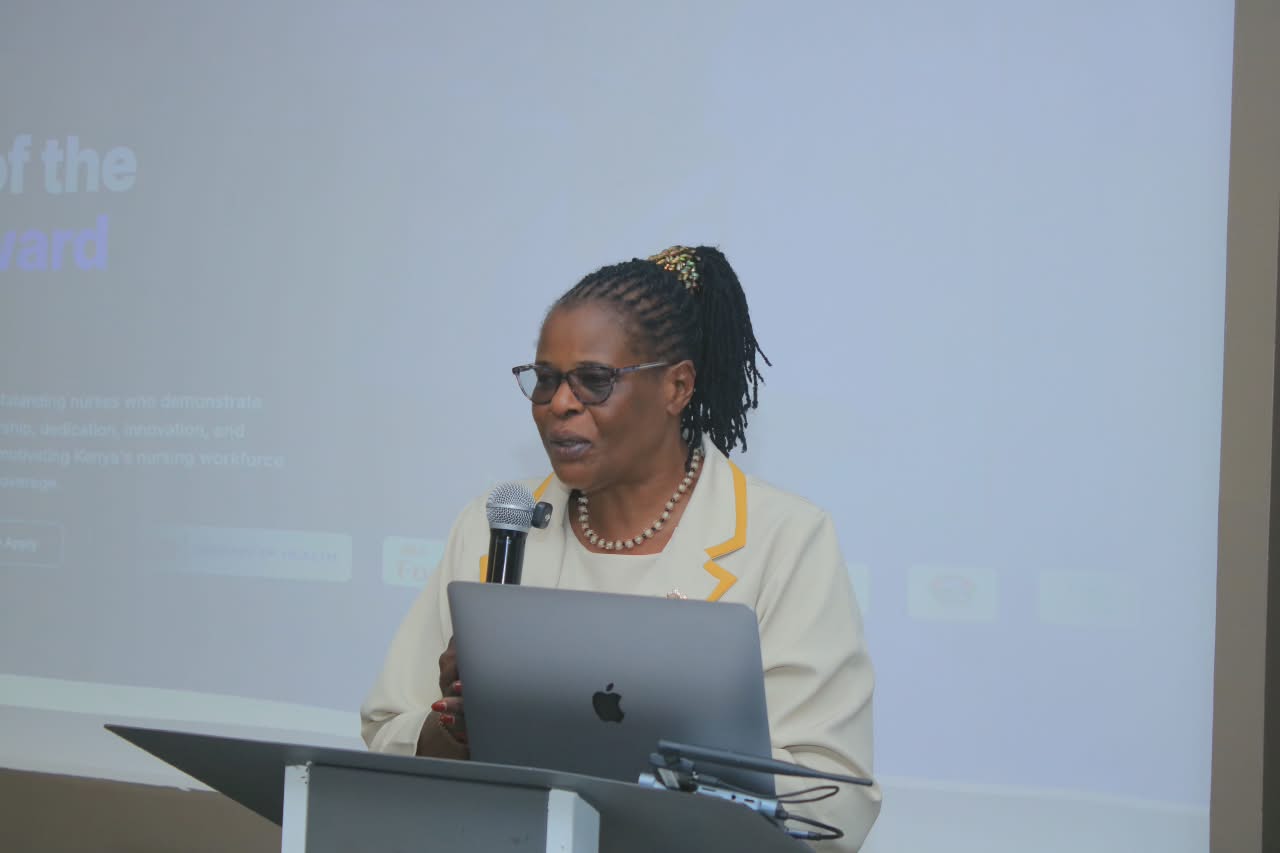
Dr. Judith Awinja, Director of Nursing Services at the Ministry of Health
Dr. Judith Awinja, Director of Nursing Services at the Ministry of Health, speaking at the launch of NOYA 2026.
"The Ministry of Health has officially launched the Nurse of the Year Award (NOYA) 2026, a landmark initiative to recognize, celebrate, and uplift the country's nursing workforce."

NAIROBI, Kenya May 06, 2026

NAIROBI, Kenya – The Ministry of Health, through its Division of Nursing and Midwifery Services, has officially launched the Nurse of the Year Award (NOYA) 2026, a landmark initiative to recognize, celebrate, and uplift the country's nursing workforce. Described as Kenya's largest nursing recognition program, NOYA 2026 aims to honor exceptional nurses across all 47 counties, from private clinics to public hospitals. With the theme of promoting professional excellence in support of Universal Health Coverage, the award seeks to shine a spotlight on the dedication, innovation, and compassion of nurses who form the backbone of Kenya's healthcare system. The launch took place during Nurses Week, with the climax celebration scheduled for May 12 at Carnival Ground, where high-ranking dignitaries are expected to attend.

In a passionate address marking Nurses Week, Dr. Judith Awinja, Director of Nursing Services at the Ministry of Health, called on all nurses to take pride in their profession. "Happy Nurses Week," she said. "You should be proud of yourselves. It's your week, and we need to celebrate. We need to celebrate our week. We didn't need to showcase who we are. We didn't need to affirm and let the public understand what we do and who we are." Reflecting on the profound role of nurses, she continued, "How we bring them even on earth and see them off. That is just a quote that has always been given from somewhere in Kenya. You see, people are so special. You see people coming to life, and you see people going back to God. So you are like the second God, the second to the Almighty God. It was just a joke, but the reality of the truth of the matter is that's what happened." Dr. Awinja emphasized unity among nurses, stating, "As a team, we need to work together, we need to work closely, we need to be one, and we need to be united. And we are demonstrating it this time as we are going to celebrate the climax of Nurses Week on the 12th at Carnival Ground. Yes, at Carnival Ground, and we have very high dignitaries who shall be coming. We are very happy and proud, and we really need to reduce our needs."

Turning her attention to the NOYA award, Dr. Awinja shared her personal connection to the initiative. "So part of what is really very important on that day is the Nurse of the Year Award, which has been chanted for more than 10 years. And I'm proud to say I'm also part of one I got in 2000, Nurse of the Year Award, and I'm very happy about it. So when I see it coming back, it really motivates and empowers nurses to be who they are. It transforms you and gives you the sense of being who you are. So it's a very important thing that we're going to launch, and nurses are really going to battle for it." She highlighted the award's commitment to transparency and integrity, explaining, "It's going to be online fully so that we don't make any mistakes. So that we don't have anything that goes wrong. It's just accountability. Of course, this is going to be very media-appropriate, but trust what I think. Integrity fully, more than 100 percent. Because it's purely online, and the people who are going to nominate the awardees are not even going to see the nurses, which makes it even better, full of integrity. So it's going to be a very, very important thing. The person who will be picked will really be authentic. That person is going to be the Nurse of the Year." Concluding her speech, Dr. Awinja reminded nurses of their indispensable value to the healthcare system. "So I just want to invite you all to this very important occasion, this very important forum for the nurses who want to feel full of ourselves, who want to feel that we are the ones managing the system. Actually, 70 percent of the healthcare system – without you, the system would break down. So you should be proud of yourselves as we start this week. We should showcase who we are, and as we finish with the launch of the award, we shall be proud to be part of everything that everyone will respect."

Also addressing the gathering was Eunice Atsali, recently elected as the African Midwife representative to the International Confederation of Midwives (ICM), where she now serves as Vice President. Speaking on the power of mentorship and leadership pathways for nurses and midwives, Atsali began by acknowledging her dual identity. "There is a very new role that I've just been elected, and that's African midwife, to represent midwives of Africa at the International Confederation of Midwives. So those are some of the things midwives and nurses can do. And I cannot deny myself of being a nurse completely, because, of course, before the injection of midwifery was injected in my life, I was a nurse. So I trained as a nurse, and eventually I knew what I really wanted was to do midwifery. Because we didn't have that part in Kenya, I did nursing and then I progressed to doing midwifery at the time." She then shifted focus to the critical role of mentorship. "So apart from speaking about myself, I would like to speak about the role of mentorship, strengthening mentorship in Kenya. Apparently, in healthcare professionals, while we do training and education in healthcare systems, we also have a role when it comes to mentorship. You cannot be a good midwife or a good nurse without appropriate mentorship, without someone you look up to, who will strengthen you as a healthcare professional, who will show you the pathway on how to work in healthcare."

Atsali illustrated her point with a personal story from her early career. "I'll give an example. As a young nurse working in a private institution, I wanted to become a midwife, that's what I wanted. I was itching to be a midwife. At that time, I became a midwife because I didn't call the department. I said, 'No, I just wanted to be a midwife.' But in that particular health system, you needed to be a midwife to work in labor ward and that's the place I wanted to work. So when I went to the mentor, who was the clinical receptor at the time, I told them I wanted to go and do reproductive health. And they told me, 'Unfortunately, we don't have reproductive health in the country.' So the path was: you must do a Bachelor of Science in nursing, and then you decide to do whatever you want to do. So I went with my Bachelor of Science in nursing, all my research, preceptorship, everything I did regarding midwifery. Then eventually, I was lucky to get a scholarship courtesy of J&J to do my Master's in midwifery. I did my Master of Science in midwifery in the UK. At the time, we didn't have midwifery in the country. So courtesy of that mentor who showed me this is the path, that's the only way you can progress in the path that you need. So that aspect of mentorship is very important in healthcare."

On the subject of leadership, Atsali emphasized that it begins early in a nurse's education. "When it comes to leadership, we train and empower our midwives and nurses from undergraduate level. So during their training, we make sure we train them, we empower them to be leaders from that very point of being students. We identify people who can be leaders, there are people who demonstrate leadership skills very early in life and direct them to where their pathway will be strengthened. Leadership begins quite early in life, from a bachelor's level." She traced the natural progression of leadership in healthcare, explaining, "And as they go ahead into the healthcare system, from the beginning, you are given something to do with being a team leader. So as you start working, you are mentored and you become a team leader. Then suddenly you become a work leader, then you become in charge of a unit, then eventually you go ahead and become a hospital leader. But at the same time, we are empowering our nurses and midwives to be leaders even in the community so that they can give maternal and newborn health to the community. Because statistics show that many women have complications from the community. Therefore we need a midwife leader at that particular level, or a nurse leader, to ensure there are no maternal mortalities."

Atsali outlined the multiple pathways where nurses and midwives can lead, including associations and politics. "We can also have leadership in hospital settings, leadership in associations, for example, we have the president here and the vice president here. There are many pathways of leadership. We have now nurses and midwives being leaders also in politics. We have political leaders that are now nurses and midwives, and we want more in those spaces. Because in those spaces, we are able to change the narrative of healthcare in this country, speaking from a knowledge point of view. And of course we have leaders at the global level. For example, now I'm leading at the global level representing Africa, voicing what midwives in Africa require and what our problems are. At the global level, a cause of maternal mortality is medical-related suicide. But when it comes to Africa, it's a simple thing like bleeding that can actually be prevented. So we have to voice as leaders so that our problems are handled as our problems in this particular continent." She concluded with a call for institutional support and courage. "Institutional support is very important that we need our institutions to support leaders from whichever level. There is a culture, especially in healthcare systems, where when you are a leader, sometimes you are a threat. So I think that's one of the things that even us from the association level need to try as much as possible to empower our healthcare institutions and our leaders, and those in the healthcare system, to ensure that we are actually building a workforce that will be able to lead without fear and contradiction and that can advocate not just for themselves but also for the healthcare workforce.

NOYA 2026 will confer awards across six critical domains, including Clinical Excellence for outstanding evidence-based practice and patient outcomes; Nursing Leadership for inspiring teams and driving systemic improvements; Primary Healthcare for exceptional care in Level 2 and 3 facilities; Nursing Education for shaping the next generation of nurses; Research and Innovation for advancing nursing knowledge through rigorous research; and Entrepreneurship for innovative healthcare enterprises addressing service delivery gaps. All registered nurses practicing in Kenya with at least two years of experience in any specialty, including community health, mental health, midwifery, pediatrics, and critical care, are eligible to apply. There are no registration or submission fees, ensuring equal opportunity nationwide.

The application process is entirely online via the official NOYA portal at https://noya.afyareach.cloud/apply. Nurses must create an account, complete all sections of the form, and upload four required documents: proof of current employment (Nurse ID or letter from institution), proof of at least two years of nursing experience, their highest nursing education qualification, and a passport-size photograph. Unemployed or independent nurses may submit a self-declaration letter in lieu of employment proof. Applications close in August 2026, and once submitted, an application cannot be edited, so candidates are urged to review all sections carefully before final submission. A distinguished panel of nursing professionals will evaluate submissions across three phases, including the County, Regional, and National, culminating in a national gala where the ultimate Nurse of the Year 2026 will be crowned.

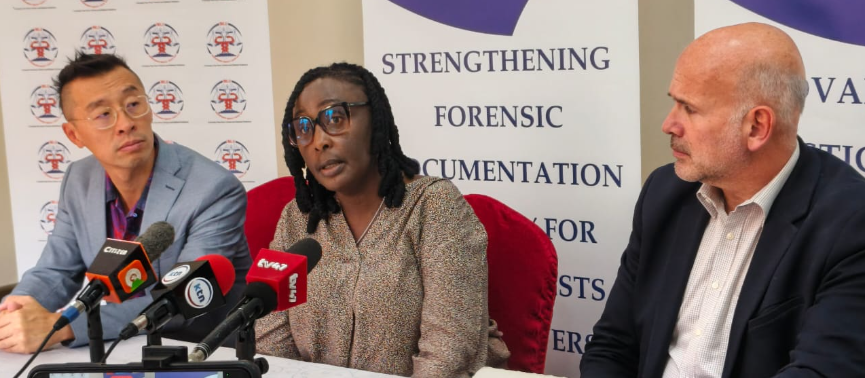
AHF takes Health Sovereignty push to the World Health Summit

By George Mutua

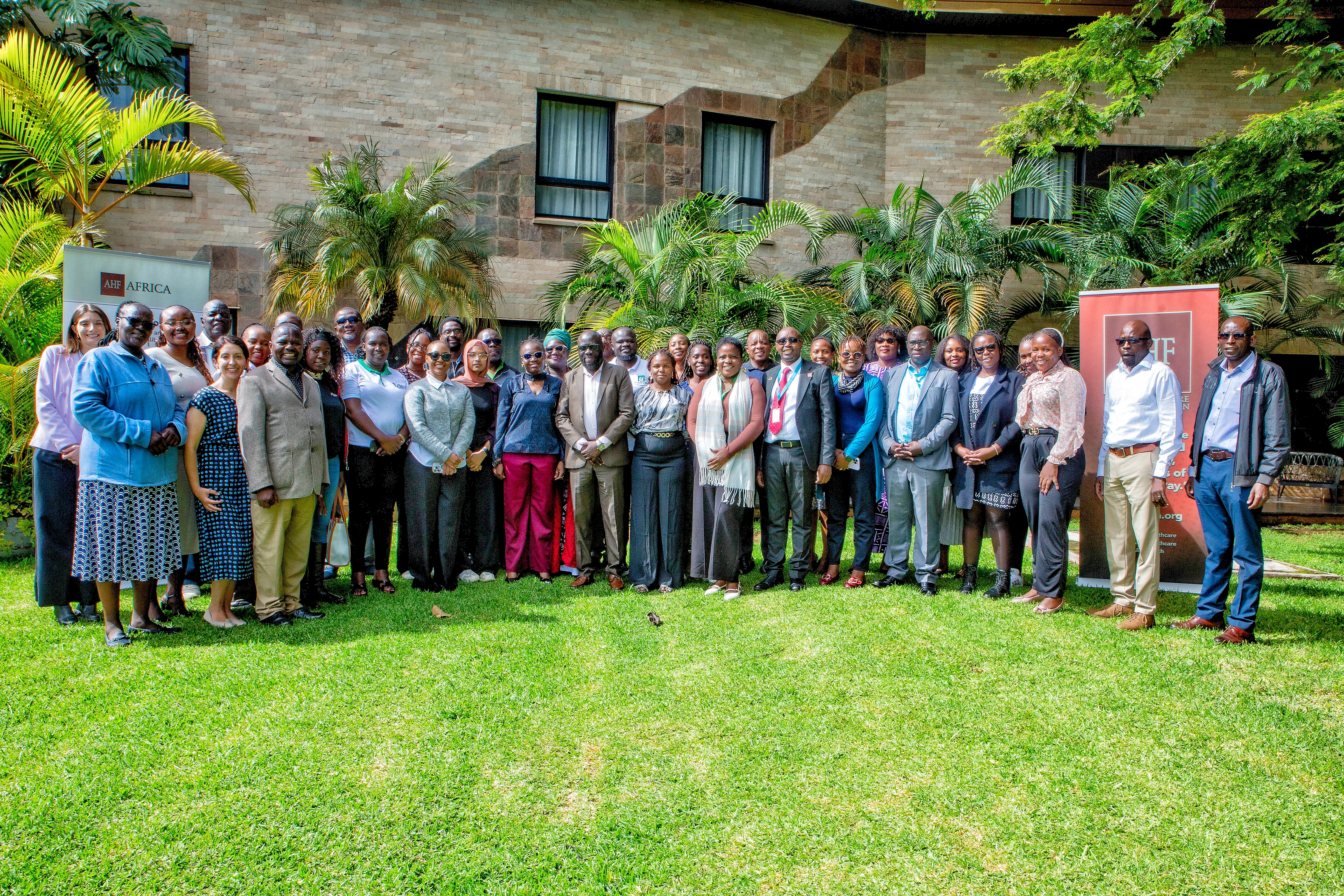
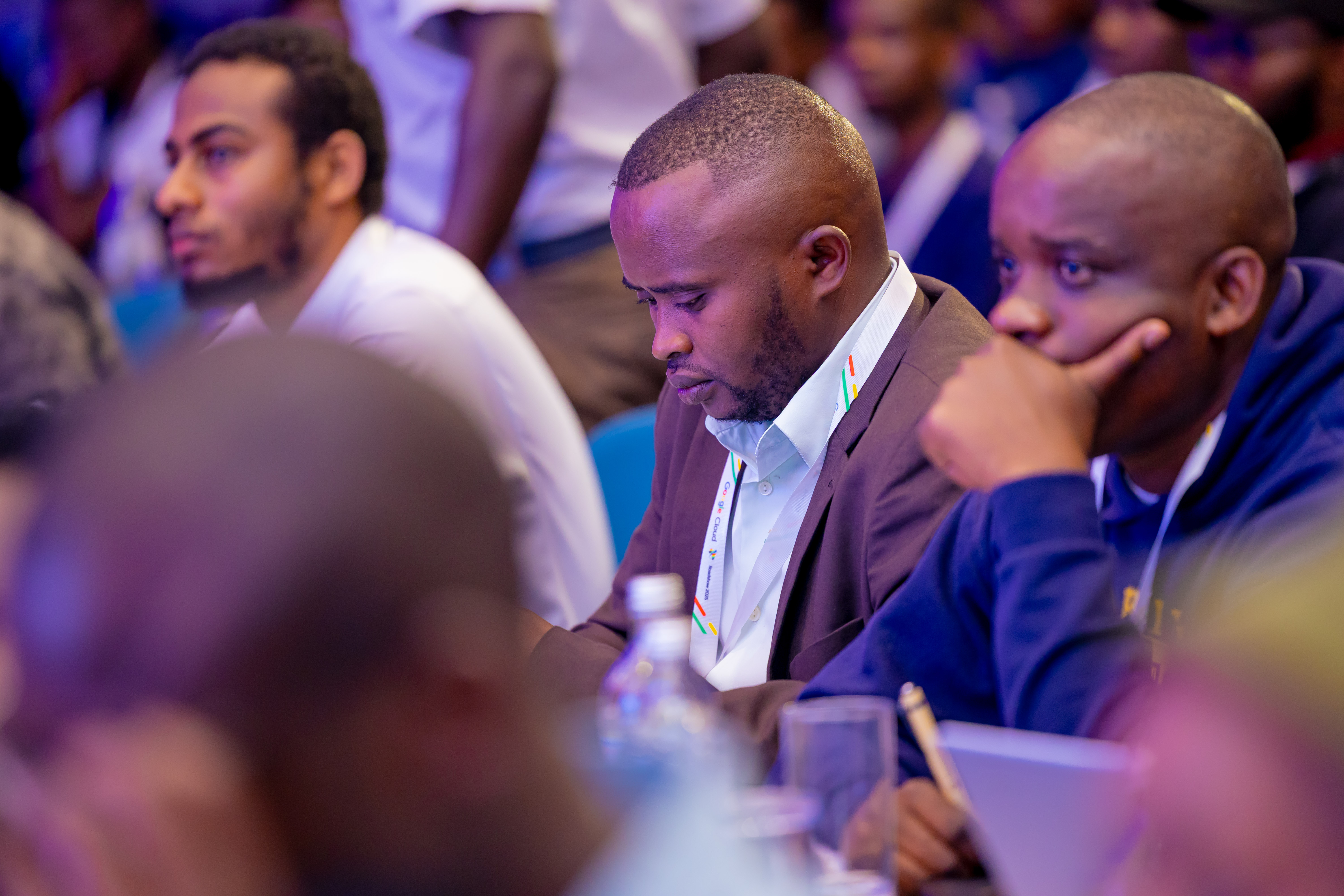
AIDS Healthcare Foundation at the World Health Summit Regional Meeting 2026
AHF is pushing for equity, accountability and shared responsibility in pandemic preparedness at the World Health Summit Regional Meeting 2026.
“The Pandemic Agreement cannot be meaningful without a fair and enforceable PABS system,” said Oluwakemi Gbadamosi, Deputy Executive Director of the AHF Global Public Health Institute.

NAIROBI, Kenya April 27, 2026

As global health leaders converge in Nairobi from 27th–29th April for the World Health Summit Regional Meeting 2026, the AIDS Healthcare Foundation (AHF) is stepping into the moment with a clear message: pandemic preparedness will only succeed if it is rooted in equity, accountability, and shared global responsibility.

Held at the United Nations Office at Nairobi under the theme “Reimagining Africa’s Health Systems: Innovation, Integration, and Interdependence,” the summit brings together more than 1,000 participants from across governments, civil society, and international organizations. It takes place at a time when many African countries continue to face severe constraints in health financing, with average per capita health spending estimated at around US$17 well below the roughly US$60 considered necessary to deliver essential services.

Against this backdrop, parallel negotiations are unfolding in Geneva at the World Health Organization during the World Health Assembly, where member states are working to finalize the Pandemic Agreement and the Pathogen Access and Benefit-Sharing (PABS) system. Together, these frameworks are expected to define how the world prepares for and responds to future pandemics, including how biological data and resulting medical innovations are shared.

For AHF, the simultaneity of these discussions underscores a deeper tension in global health governance. “We are in two rooms at the same time, talking about the same problem,” said Dr. Samuel Kinyanjui, AHF Kenya Country Director. “In Geneva, decisions are being made about sharing benefits from pathogen data. In Nairobi, we are asking whether Africa will continue depending on others or build the capacity to protect its own people.”

That concern runs through AHF’s engagement at the Nairobi summit, where the organization is positioning itself not only as a service provider but also as a vocal advocate for structural reform. Throughout the three-day meeting, AHF will host an exhibition booth showcasing its HIV and broader public health programs, while creating space for dialogue with partners, policymakers, and community stakeholders.

In addition to its presence on the exhibition floor, AHF will convene a fireside discussion focused on pandemic preparedness and the PABS system. The session is expected to bring together civil society voices, policy actors, and international partners to examine questions of equitable access, global cooperation, and Africa’s priorities in future health responses.

“The Pandemic Agreement cannot be meaningful without a fair and enforceable PABS system,” said Oluwakemi Gbadamosi, Deputy Executive Director of the AHF Global Public Health Institute. “Countries that share pathogen data must be guaranteed access to the vaccines, diagnostics, and treatments developed from that data.”

From AHF’s perspective, the solution lies in binding commitments: mandatory benefit-sharing, equitable access to health technologies, expanded technology transfer, and stronger accountability mechanisms to ensure transparency in how pathogen data is used.

As discussions continue simultaneously in Nairobi and Geneva, the organization is urging global leaders to treat this moment not as routine negotiation, but as a defining test of global solidarity. For AHF, the central question is not only how the world prepares for the next pandemic, but whether it chooses to do so in a way that corrects or repeats the inequalities of the past.

Alongside these activities, AHF will participate in the HENET Mini-Symposium, contributing civil society perspectives on innovation and global health systems, while maintaining active media engagement to ensure that key messages reach broader public audiences throughout the summit. “As civil society, we stand ready to push and collaborate with governments, development partners, and stakeholders to advance sustainable health solutions that secure the health and dignity of all people now and for future generations,” said Diana Tibesigwa, AHF Regional Advocacy and Policy Manager.

The organization is also working alongside the Resilience Action Network Africa (RANA) to convene a civil society caucus. This platform is intended to align advocacy strategies ahead of key global decision points, including the World Health Assembly and upcoming high-level meetings on pandemic preparedness. Discussions will focus on health security, sustainable financing, and accountability in global health systems.

At the center of AHF’s advocacy is a concern that global health priorities risk being overshadowed by geopolitical and economic considerations. The organization argues that pandemic preparedness must not replicate the inequities exposed during previous global health crises, where access to life-saving tools was unevenly distributed.

“The decisions made now will determine the shape of the next global response,” the organization notes. “It will either be built on equity and cooperation, or on the same disparities the world has already lived through.”

The World Health Summit Regional Meeting 2026 is hosted by Aga Khan University at the United Nations Office at Nairobi (UNON), 27–29 April 2026. Theme: “Reimagining Africa’s Health Systems: Innovation, Integration, and Interdependence.” Over 1,000 participants across 70-plus sessions. More at whsnairobi2026.com.

The Pandemic Agreement was adopted by the World Health Assembly in May 2025 as a legally binding international instrument designed to correct weaknesses exposed by COVID-19. It cannot be opened for signature until the PABS Annex is completed.

The Pathogen Access and Benefit-Sharing system (PABS Annex) governs equitable sharing of pathogens with pandemic potential and benefits arising from their use. Operational details are being negotiated by the Intergovernmental Working Group, with IGWG6 Part B 27 April–1 May the last scheduled session before the 79th World Health Assembly in May 2026.

AIDS Healthcare Foundation (AHF) is the world's largest HIV/AIDS healthcare organization, providing medicine and advocacy to more than 2.9 million people across 50 countries. The AHF Global Public Health Institute advocates for evidence-based policy change to create a more equitable global health architecture.

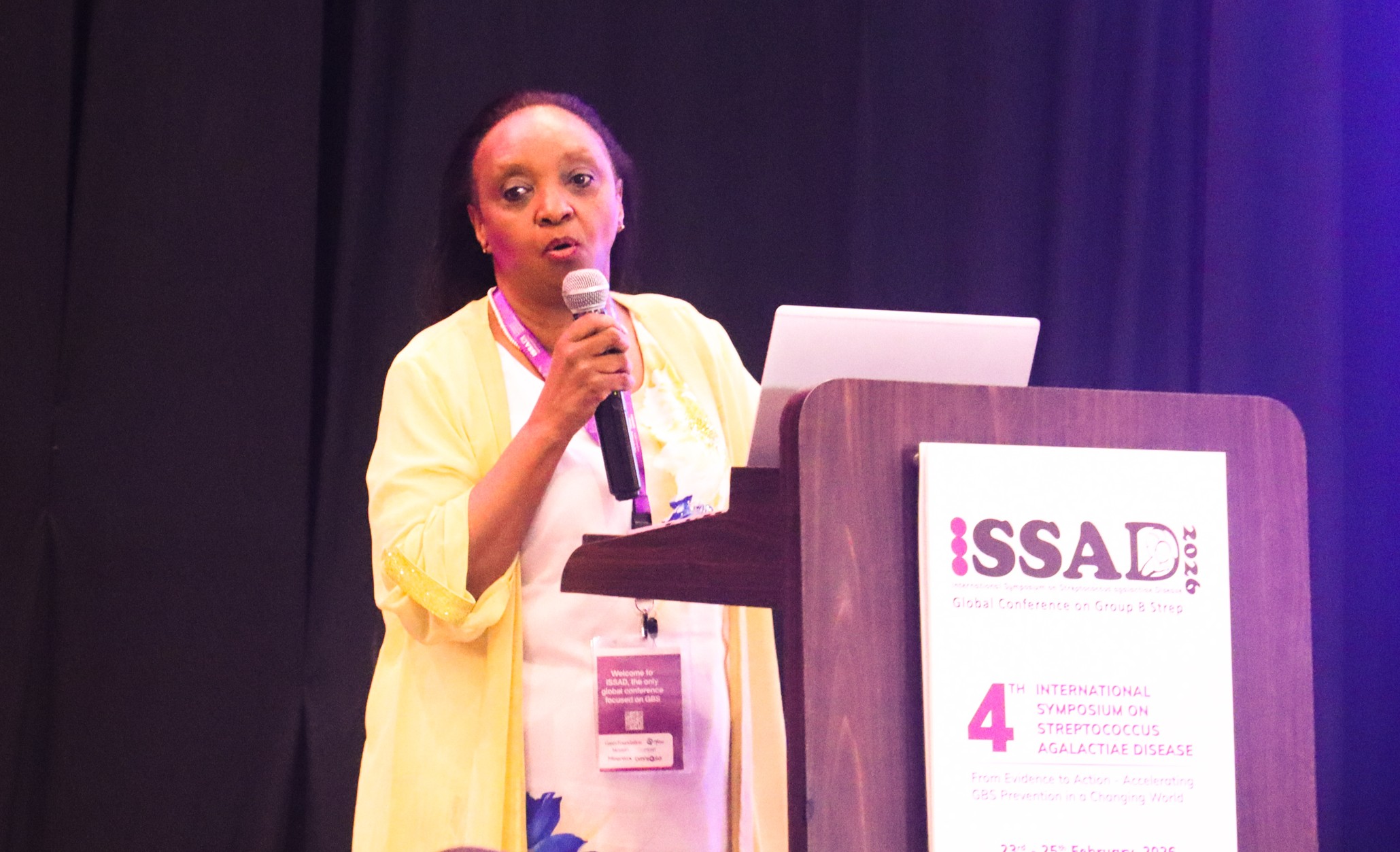
Professor Anne Beatrice Kihara speaking in Nairobi
Professor Anne Beatrice Kihara, President of the International Federation of Gynaecology and Obstetrics (FIGO)
"Kenya is yet to reach the sustainable development goals, which speak of maternal mortality as less than 70,000, and newborn mortality at less than 12,000," Prof. Kihara noted. "Unfortunately, we are still off track."

Nairobi, Kenya | February 23, 2026

By George Mutua

The urgent need for maternal vaccination against Group B Streptococcus (GBS) took centre stage in Nairobi as Professor Anne Beatrice Kihara, President of the International Federation of Gynaecology and Obstetrics (FIGO), delivered a powerful keynote address calling for accelerated action on maternal and newborn mortality ahead of a major global conference set for the Kenyan capital next year.

Speaking as the keynote speaker at the fourth conference on maternal immunisation, Prof. Kihara, president of the International Federation of Obstetricians and Gynaecologists, emphasised the critical need to accelerate the reduction of maternal and newborn deaths through an initiative called "Every Woman, Every Newborn, Everywhere."

The conference brings together world leaders in Group B Streptococcus research, vaccine development, and public health to discuss, among other critical issues, the rollout of a global maternal vaccine against GBS. This year's conference is chaired by Dr. Hellen Barsosio, Clinical Research Scientist at the Kenya Medical Research Institute and Liverpool School of Tropical Medicine (KEMRI-LSTM) Collaboration.

"Today's conversation, we are looking at a bacteria called Group B Streptococcus," Prof. Kihara explained. "Group B Streptococcus colonizes the reproductive tract of the mother. And in so doing, it can have effects on the mother and effects on the baby. For the baby, the baby may be born stillborn."

The statistics are alarming, an estimated 18-20 million women globally carry GBS each year. The bacteria is responsible for approximately 400,000 cases of invasive disease annually in infants, including sepsis and meningitis, and is linked to an estimated 91,000 infant deaths and 46,200 stillbirths worldwide.

"The baby may have to be delivered prematurely with adverse neurological problems because of infections that even include infections of the brain," Prof. Kihara warned. "So we must begin to really look at the epidemiology of the disease burden."

Prof. Kihara emphasized that achieving maternal health goals requires collaboration across medical disciplines.

"We need to put efforts together, the midwives, the gynaecologist, the paediatrician, the neonatologist, the physician. We must come together," she said.

Key priorities identified include making every pregnancy planned to avoid risks of unsafe abortions, ensuring sexually active individuals have access to family planning and contraception, and implementing the WHO-recommended eight contact visits during pregnancy.

She noted that health workers must monitor vital signs with particular attention to blood pressure. "We do know in pregnancy, if a mother does develop hypertension, she may end up with complications of convulsions, complications of her kidney system. The baby may have to be born prematurely, which even increases the risk of mortality."

"We have increasingly noted that we need to advance from just providing tetanus toxoid, which most of us do know, but begin to look at disease entities that can affect both the mother and the baby, with detrimental or even mortality as a result of infections," Prof. Kihara said.

Other diseases discussed include respiratory viruses like RSV, and lessons from COVID-19 vaccination programs for pregnant women. "What happened when COVID came? We had to get into vaccination programs even for pregnant women."

She warned that communicable diseases, including HIV, malaria, and TB, can have implications on the baby, adding that in today's world, "when lifestyle has a major contribution to the outcomes of mothers' health, it has a ripple effect on the baby."

A major theme emerging from the conference is the need for Kenya to develop its own context-specific maternal vaccination guidelines through systematic data collection and establishing data repositories.

"Last week we were busy trying to strengthen the data repository," Prof. Kihara revealed. "How do you link women coming to the clinic? We have a sound system where our national ID can actually be able to pinpoint you as an individual."

This data linkage, supported by Kenya's new Digital Act and data protection instruments, will enable health officials to understand disease burdens and provide sound vaccination to women across the nation. The conference also celebrated progress within the Africa region.

Mental Health Study

Nearly Half of Kenya’s Healthcare Workers Exhibit Depressive Symptoms

By George Mutua | May 29, 2026

A new study by AKU BMI reveals that 43.1% of Kenyan healthcare workers report depressive symptoms, highlighting systemic failures and patient safety risks.

Mental Health Training

St. George’s University School of Medicine Champions Psychiatric Training

By Steve El Sabai | May 12, 2026

St. George’s University School of Medicine addresses Africa’s mental health crisis by training the next generation of compassionate psychiatrists.

Dr. Judith Awinja at the NOYA 2026 launch

Kenya Launches NOYA 2026: Largest National Award to Celebrate Nursing Excellence

By Staff Reporter | April 27, 2026

The Ministry of Health officially launches the Nurse of the Year Award (NOYA) 2026 to celebrate nursing excellence across Kenya.

AIDS Healthcare Foundation at World Health Summit

AHF takes Health Sovereignty push to the World Health Summit

By George Mutua | April 27, 2026

At the World Health Summit Regional Meeting 2026, AHF urges equity, enforceable PABS commitments and shared responsibility for pandemic preparedness.

Professor Anne Beatrice Kihara

Global Health Leaders Converge in Nairobi as FIGO President Prof. Kihara Anne Beatrice Calls for Urgent Action on Maternal GBS Vaccination

By George Mutua | February 23, 2026

The urgent need for maternal vaccination against Group B Streptococcus took centre stage in Nairobi as Prof. Anne Beatrice Kihara called for faster action on maternal and newborn mortality.

Health innovation

Health Innovations: What to Expect

By Dr. Alex Brown | Mar 10, 2024

Explore the latest innovations in healthcare technology and how they are set to revolutionize patient care and treatment options in the coming years.

Mediterranean diet

New Study Reveals Benefits of Mediterranean Diet

By Dr. Sarah Wilson | Feb 28, 2024

Recent research highlights the significant health benefits of the Mediterranean diet for heart health and longevity.

Fitness trends

2024 Fitness Trends You Should Know

By Robert Martinez | Mar 5, 2024

Discover the top fitness and wellness trends that are shaping how people stay healthy and active this year.

Latest Health News

  • Nearly Half of Kenya’s Healthcare Workers Exhibit Depressive SymptomsMay 29, 2026
  • St. George’s University Champions Mental Health TrainingMay 12, 2026
  • Kenya Launches NOYA 2026: Nursing Excellence AwardToday
  • New Treatment Shows Promise in Clinical Trials2 hours ago
  • WHO Releases New Guidelines on Nutrition4 hours ago
  • Mental Health Awareness Campaign Launches6 hours ago
  • Exercise Study Provides New Insights1 day ago
GlobalNews

Your trusted source for news, analysis, and expert opinion from around the world.

Connect with us

Explore

  • Home
  • News
  • Business
  • Health
  • Sports
  • Opinion

Newsletter

Get a short digest of top stories weekly.

Contact

Email: info@martenetwork.com

Phone: +254 7277 2480

Nairobi, Kenya

© 2026 Global News Network - All rights reserved.