Get the latest news and updates from around the world, organized by region.
Africa
Kenya Targets 125% Pork Sector Growth as Government and Industry Unlock Value Chain Potential
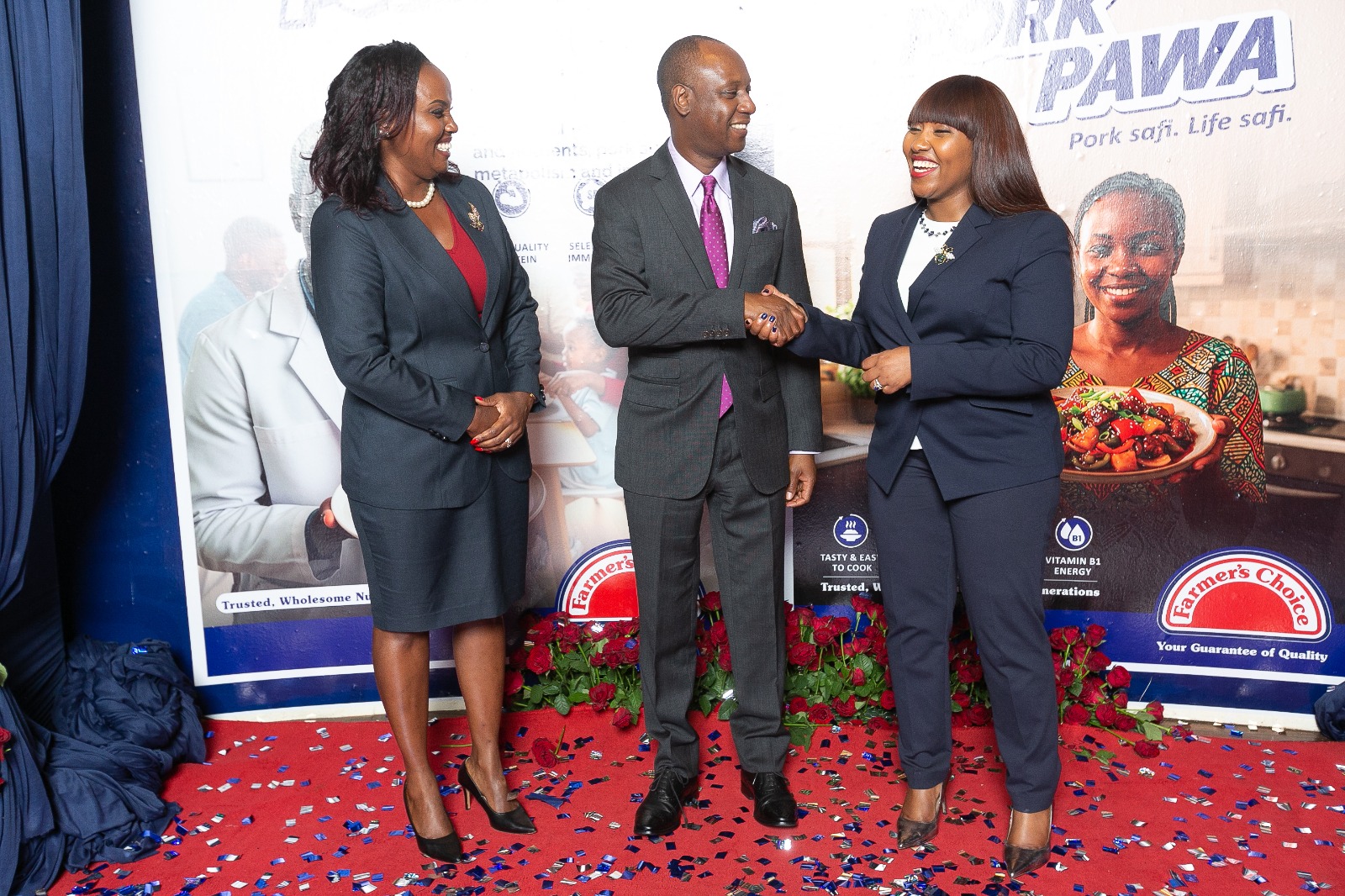
Principal Secretary Hon. Jonathan Mueke (centre) and Farmer’s Choice CEO Felisters Gitau Mutugu (right) mark the launch of the Pork Pawa Campaign.
"The pig value chain presents a significant opportunity for Kenya to diversify its sources of animal protein while improving incomes for smallholder farmers," said Hon. Jonathan Mueke.
NAIROBI, Kenya | 14 April 2026 | By George Mutua
The Government of Kenya and private sector leaders have today committed to a major push to transform the country’s pig value chain, aiming to close a widening gap between soaring pork demand and limited local production while lifting 1.5 million households.
At a high-level stakeholders’ sensitization forum in Nairobi, the State Department for Livestock Development and Farmer’s Choice Limited unveiled a coordinated roadmap to address chronic constraints including disease outbreaks, costly feeds, and broken cold-chain infrastructure.
While per capita pork consumption remains low at 0.4 kg annually, demand is projected to surge by over 125 percent by 2030 due to urbanization and population growth. Hon. Jonathan Mueke, Principal Secretary for Livestock Development, emphasized that addressing disease management and market access is critical to meeting this growth.
Farmer’s Choice Limited CEO Felisters Gitau Mutugu called for deliberate collaboration across the value chain: “We must invest in farmer capacity, strengthen traceability, and build consumer trust while expanding market opportunities.”
The initiative aligns with the National Pig Value Chain Development Strategy (2025–2029) and the government’s Bottom-Up Economic Transformation Agenda, with a focus on empowering women and youth through enterprise development and training.
By 2030, Kenya's annual pork demand is expected to exceed 86,000 metric tonnes, requiring a radical scale-up of local production and processing capacity.
Huawei Powers Digital Inclusion at Mukuru Affordable Housing Project with Smart ICT Equipment Donation
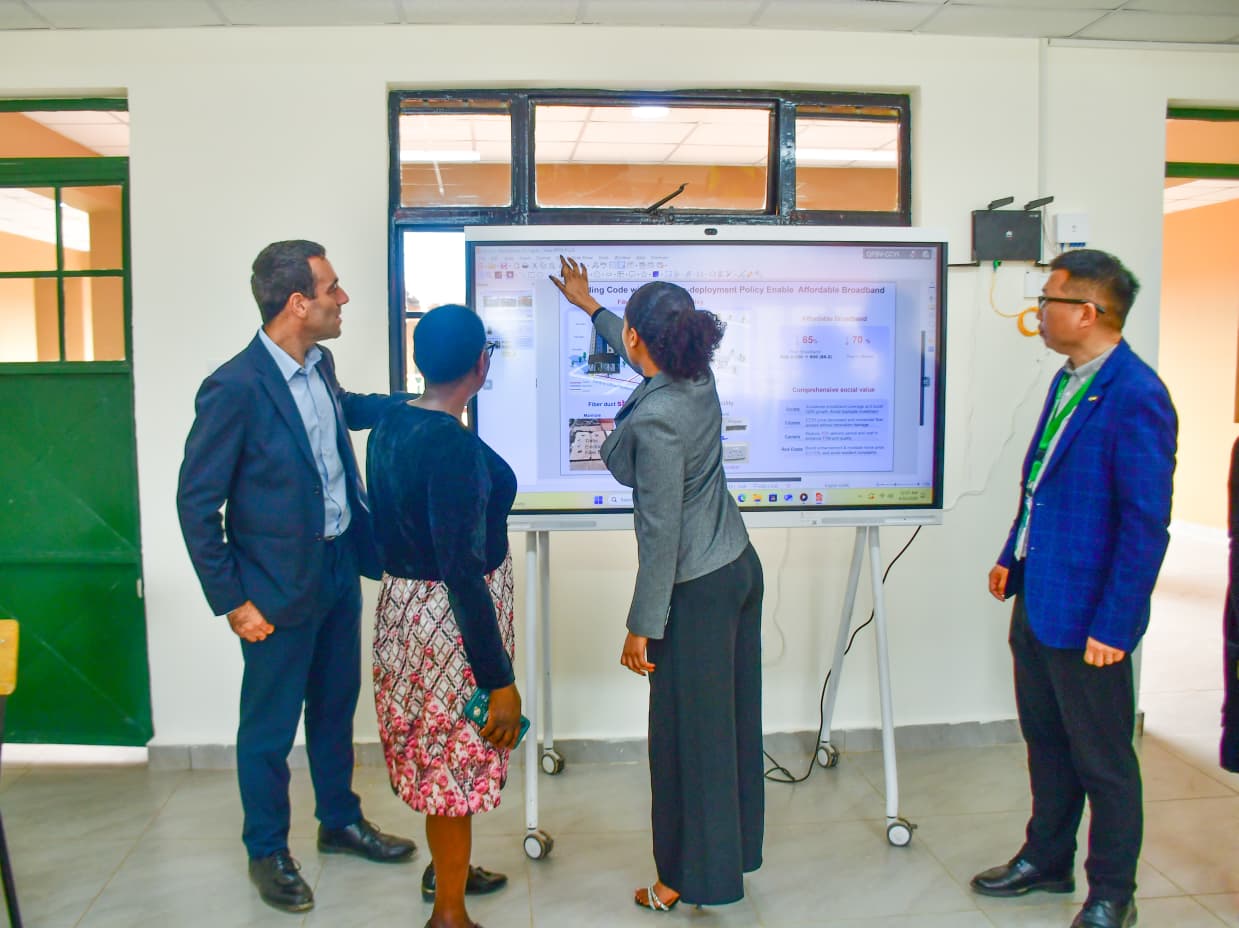
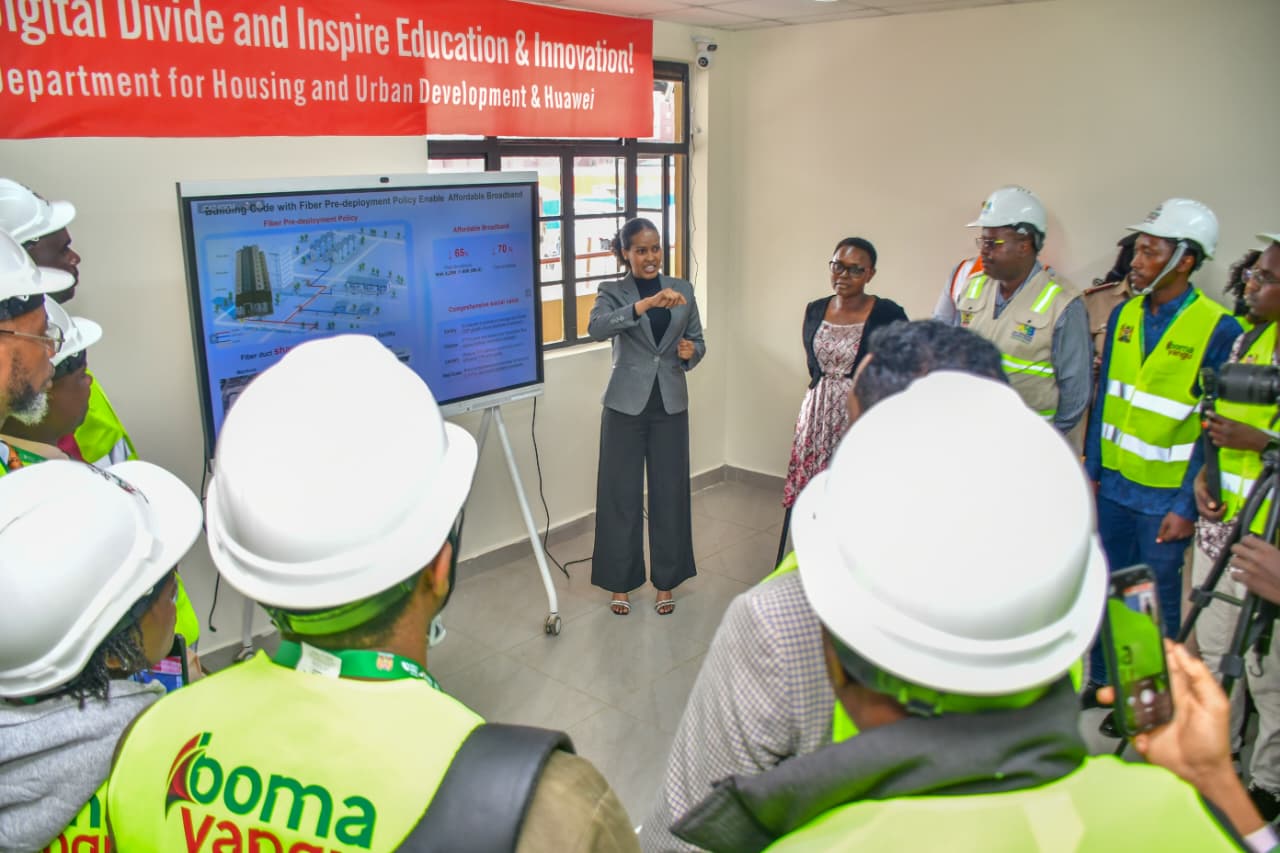
Huawei reinforces digital inclusion in Kenya through a donation of broadband equipment to New Mukuru Primary School.
"At Huawei, we believe connectivity is the foundation of opportunity," said Freshina Morogo, ICT Manager at Huawei.
NAIROBI, Kenya | 10 April 2026 | By George Mutua
Huawei has reinforced its commitment to advancing digital inclusion in Kenya through a donation of broadband equipment to an ICT Hub classroom at the New Mukuru Primary School, located within the Mukuru Affordable Housing Project.
The donated equipment includes a fiber-to-the-office solution, five Wi-Fi 7 access points, CCTV security cameras, and a smart screen (IdeaHub). Together, these tools will enhance connectivity, safety, and digital learning for one of Nairobi’s fastest-growing urban communities.
Freshina Morogo, ICT Manager at Huawei, stated: “By supporting the Mukuru community with digital infrastructure and tools, we are not only connecting homes but enabling access to education, livelihoods, and a better quality of life.”
Freshina Morogo, ICT solution Manager at Huawei Technologies(Kenya) Company Limited
The technology firm has developed a low-cost internet infrastructure solution known as DQ-ODN. Enabled by Safaricom, the system offers entry-level unlimited home fiber access from just 800 KES per month—significantly cheaper than regular packages.
“The donated equipment will deliver immediate and tangible benefits to over 500 learners and neighboring Mukuru residents,” Morogo added. “Reliable Wi-Fi connectivity will enable access to online learning and digital work opportunities, while the IdeaHub smart screen will enable interactive, digital-first learning experiences.”
The Mukuru Affordable Housing Project reflects a broader shift toward integrating digital infrastructure into urban development from the outset. This aligns with Kenya’s recent building code reforms requiring fiber-ready infrastructure in new developments.
This initiative contributes directly to the United Nations Sustainable Development Goals, particularly those focused on quality education, industry, and sustainable cities. Huawei has reaffirmed its commitment to working alongside government and communities to scale similar initiatives across the continent.
Mukuru offers a compelling example of how housing policy, connectivity, and community empowerment can converge to drive sustainable urban transformation.
Kenya's President Ruto Declares "Housing Is Not a Talk But a Reality" as Nation Becomes Africa's Construction Site
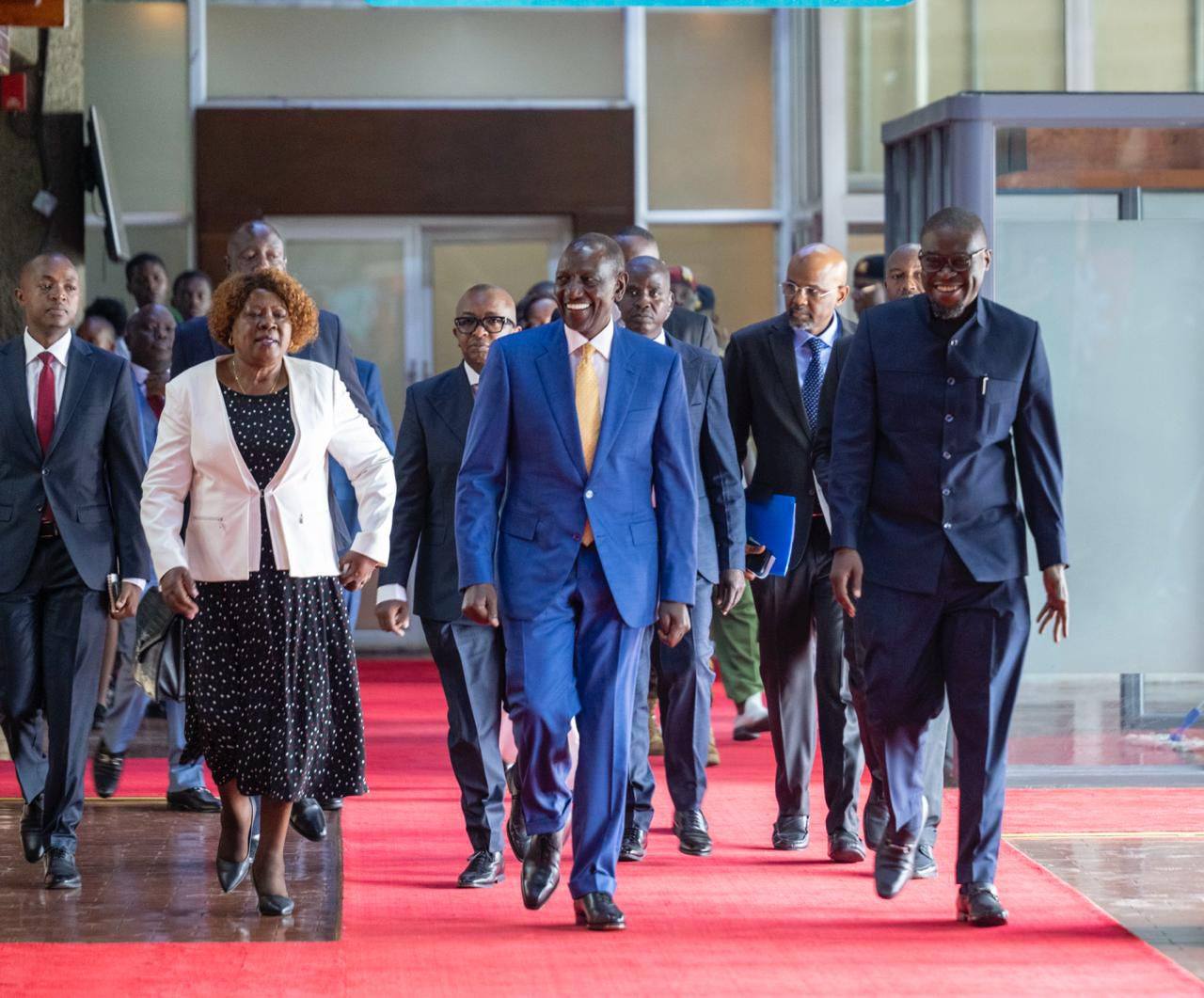
President William Ruto joins housing leaders at the Second Africa Urban Forum in Nairobi as Kenya positions housing at the centre of urban transformation.
"Affordable housing is not about houses, but people. Don't focus on political ambition but on the future of generations. It has to take political leadership."
NAIROBI, Kenya, April 9, 2026 | By George Mutua
The era of empty promises on African housing is over. That was the message delivered at the Second Africa Urban Forum in Nairobi this week, as Kenya's Head of State joined global leaders to declare that the continent's future will be built in concrete, not conversation.
H.E. Dr. William Samoei Ruto, President of the Republic of Kenya, said affordable housing is no longer a policy dream but a daily reality unfolding across the nation. From the shores of Lake Victoria to the Rift Valley, he argued, Kenya has become a live construction site.
"Affordable housing is not about houses, but people," President Ruto said. "Don't focus on political ambition but on the future of generations. It has to take political leadership, not done at the ministry level. Resources are needed."
The declaration was reinforced by Mr. Thierno Habib Hann, Managing Director of Shelter Afrique Development Bank, who pointed to Kenya as a continental benchmark. "Today, Kenya is a construction site, Nakuru, Kisumu, Homabay, Machakos, Kakamega, and others," he said. "Today, housing is not a talk but a reality. The history of Africa will be written on the commitments made and the houses built, not talks."
International partners echoed that message. Mr. Anar Guliyev, Chairperson of the State Committee for Urban Planning and Architecture of the Republic of Azerbaijan and National Coordinator for WUF 13, praised Kenya's housing momentum and said housing is more than shelter because it delivers dignity and stability.
UN-Habitat Executive Director Anaclaudia Rossbach called housing foundational infrastructure for jobs, dignity, and socioeconomic transformation.
"Housing is not just a social expenditure, a cost to be minimized, a deficit to be filled. It is the foundational infrastructure for jobs, dignity, and socioeconomic transformation."
Delivering a keynote address, H.E. Ms. Anaclaudia Rossbach, UN Under-Secretary-General and Executive Director of UN-Habitat, described Africa's urban transition as both the greatest challenge and the greatest opportunity of this generation. She warned that by 2050, six out of ten Africans will live in urban areas, even as millions still lack adequate shelter.
Rossbach urged African countries to place housing and the transformation of informal settlements at the centre of national development agendas, strengthen institutions for long-term change, and learn from solutions already emerging across the continent. She said governments, civil society, and the private sector must work together to scale what is already proving effective.
In a moment of recognition, Rossbach praised Kenya's leadership on the global housing stage, noting the country's role as Co-Chair of the Open-Ended Working Group on Housing and as a champion of the Call for Action on Adequate Housing for All. She said Kenya's proposals are helping shape global housing politics ahead of the next World Urban Forum in Baku, Azerbaijan, from May 17 to May 22, 2026.
H.E. Mahmoud Ali Youssouf, Chairperson of the African Union Commission, also placed housing at the heart of Agenda 2063, saying political goodwill is essential to urban development, accessibility, stability, dignity, and sustainable growth. Kenya's Cabinet Secretary for Lands, Public Works, Housing and Urban Development, Hon. Alice Wahome, added that housing now connects labour, financiers, industries, developers, and communities through a deliberately built ecosystem.
President Ruto also set out Kenya's financing approach, saying the country has not relied on new World Bank borrowing to drive its housing programme. Instead, he said, Kenya is mobilising local institutions and using mature assets to unlock multiple new developments. "We have innovative financing models, no borrowing but managing our assets," he said. "We dispose of one mature asset and replace it with four or more developments."
Among the most consequential announcements was the commitment to expand social housing with no upfront deposit and more affordable mortgages. Ruto said the goal is to give dignity to people who need housing most, while linking housing to wider national infrastructure through a new National Infrastructure Fund.
Delegates at AUF2 heard repeated calls for Africa to move from promises to projects as the continent prepares for WUF 13 in Baku.
"Africa's urban transition is one of the most important development opportunities of our time. If managed well, it can lift millions of people out of poverty."
As the forum closed its opening day, one message echoed through the halls of Nairobi: Africa is no longer talking about housing. Africa is building it. With Kenya leading by example and institutions such as the African Union, UN-Habitat, and Shelter Afrique pushing the agenda, the continent is preparing to carry that housing message to the world in Baku next month.
The Second Africa Urban Forum continues over the next three days, with delegations expected to visit ongoing housing projects in Nakuru and Machakos as Kenya seeks to show that its housing drive is no longer rhetoric, but visible reality.
Mudavadi Warns Africa's Urban Future Hangs on Today's Decisions as Second African Urban Forum Opens in Nairobi
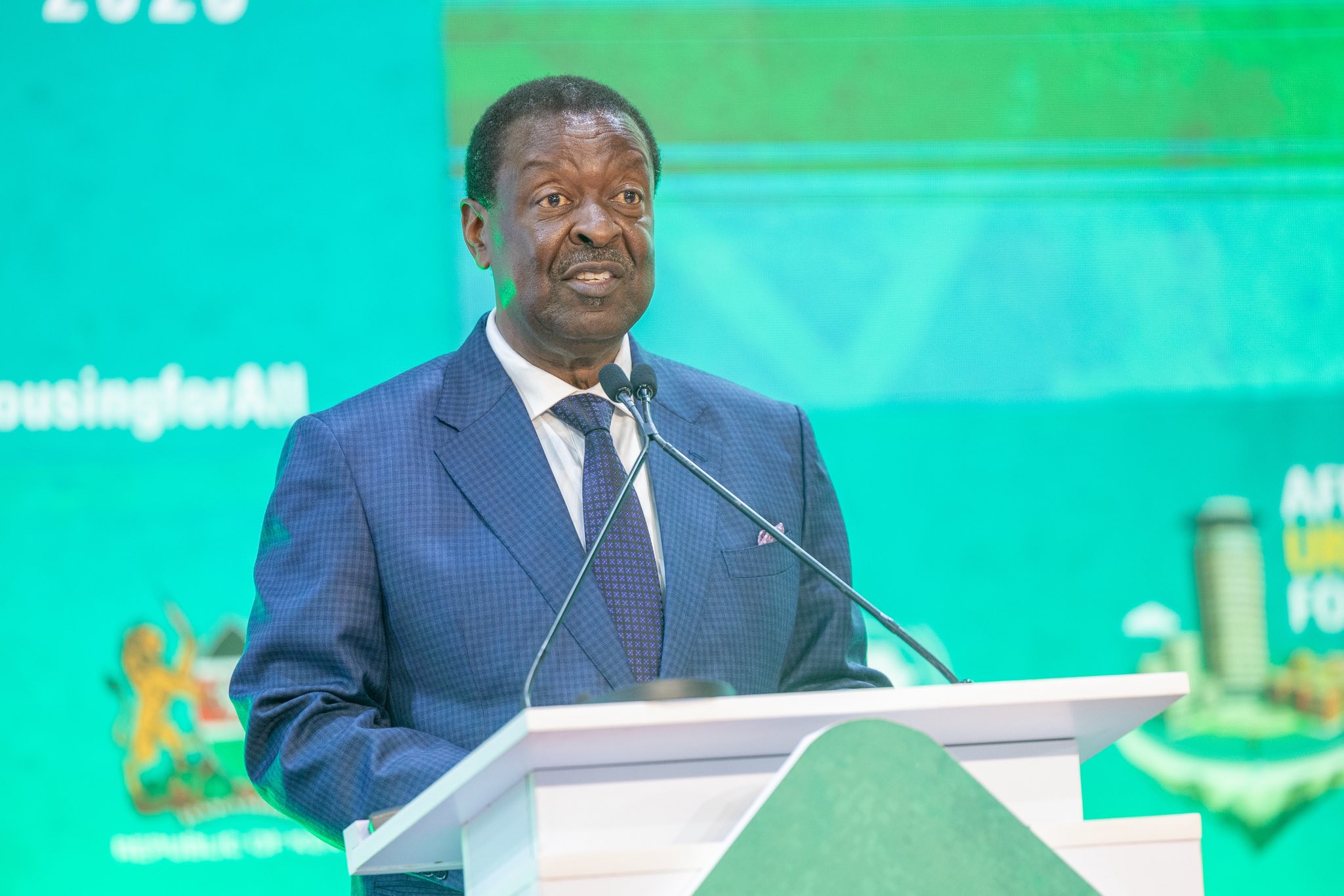
Prime Cabinet Secretary Musalia Mudavadi addresses delegates at the opening of AUF2 in Nairobi on April 8, 2026.
"The Future of Urbanisation Will Be Determined by Today's Decisions. We cannot afford to be reactive. We must be intentional, strategic, and bold."
NAIROBI, Kenya, April 8, 2026 | By George Mutua
Africa's cities are poised to absorb millions of new residents in the coming decades, but whether that transformation becomes a story of prosperity or crisis depends entirely on decisions made today, Kenya's Prime Cabinet Secretary Hon. Musalia Mudavadi has declared.
Speaking at the official opening of the Second Session of the African Urban Forum (AUF2) at Nairobi's Tsavo Ballroom, Mudavadi delivered a keynote statement that resonated across the packed hall of African ministers, development financiers, and urban experts.
Delivering a stark but hopeful message, Mudavadi painted a vivid picture of the demographic tide sweeping the continent. "Our cities will absorb millions of new residents in the years ahead," he told delegates. "The Future of Urbanisation Will Be Determined by Today's Decisions. We cannot afford to be reactive. We must be intentional, strategic, and bold."
The Prime Cabinet Secretary, who also serves as Cabinet Secretary for Foreign and Diaspora Affairs, emphasised that urbanisation, when properly managed, is not a challenge to be feared but an opportunity to be seized.
Mudavadi made a powerful case for viewing housing not merely as a social good but as a fundamental driver of economic activity. "Housing can stimulate industry, development, and employment," he stated. "Every housing unit built creates jobs, from manufacturing and logistics to finance and professional services. The multiplier effect is immense. When we invest in housing, we invest in our people and our productive capacity."
This message aligned closely with Kenya's own Affordable Housing Program, which has sought to leverage public-private partnerships to deliver units while creating thousands of construction and supply-chain jobs across the country.
He also outlined a vision of African cities as innovation hubs rather than congestion zones. "Well planned cities can drive innovation, markets, and social facilities," he said. "When we design our urban spaces thoughtfully, with mixed use zones, efficient transport corridors, digital infrastructure, and green public spaces, we create environments where ideas collide, businesses grow, and communities thrive."
Mudavadi contrasted that vision with the risks of unplanned sprawl, crippling congestion, inadequate services, and deepening inequality. "That future is not inevitable," he insisted. "But avoiding it requires courage, coordination, and capital."
His remarks served as both a warning and an invitation for African nations to collaborate on solutions. "No single country can solve its urban challenges alone," he noted. "That is precisely why this forum matters. It is where we align our policies, share our lessons, and mobilize our collective resources."
Mudavadi concluded with a direct appeal to ministers, mayors, and financiers in attendance: "Let us leave Nairobi not with more promises, but with more pipelines, projects that are financed, implemented, and measured. The people of Africa are watching. Their hope is urban. Let us not disappoint them."
Second Africa Urban Forum Kicks Off Tomorrow in Nairobi as Stakeholders Await Concrete Outcomes
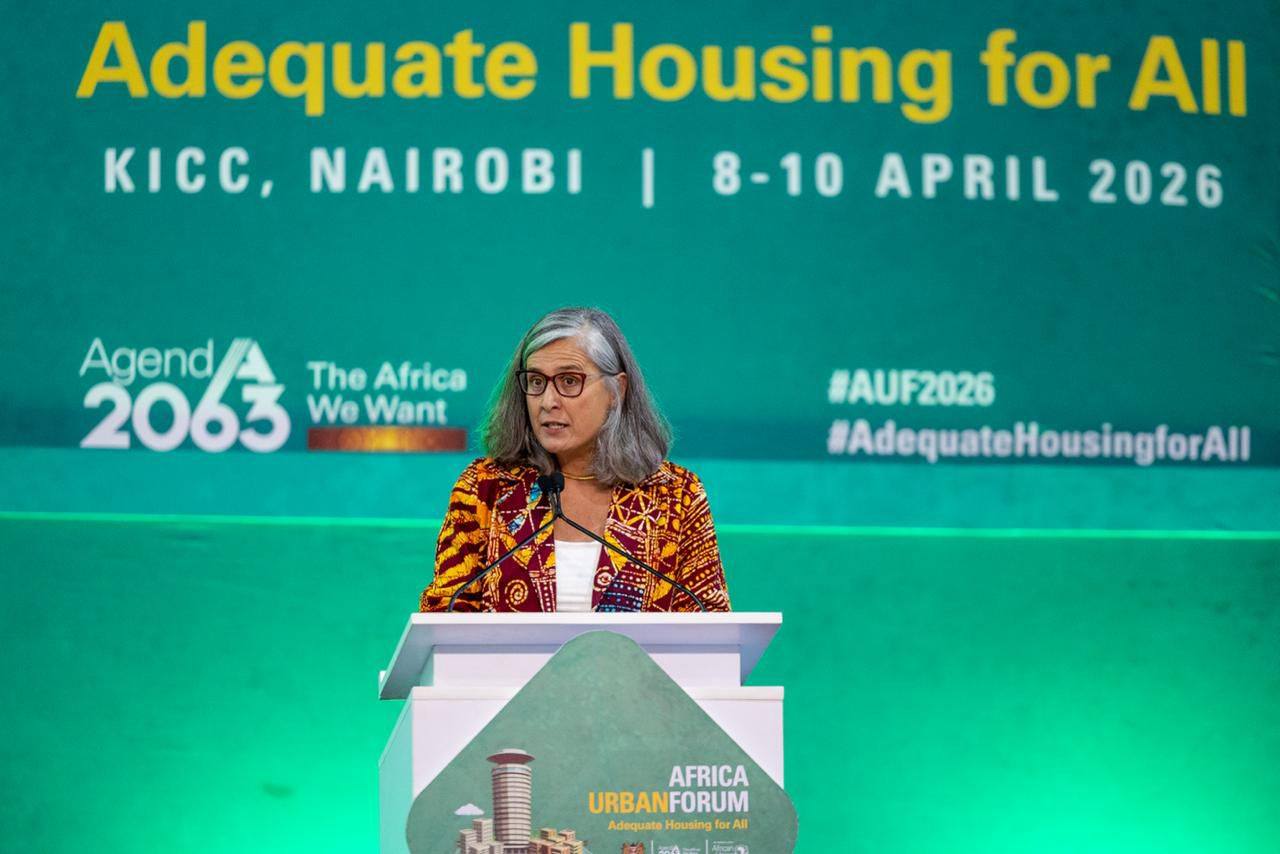
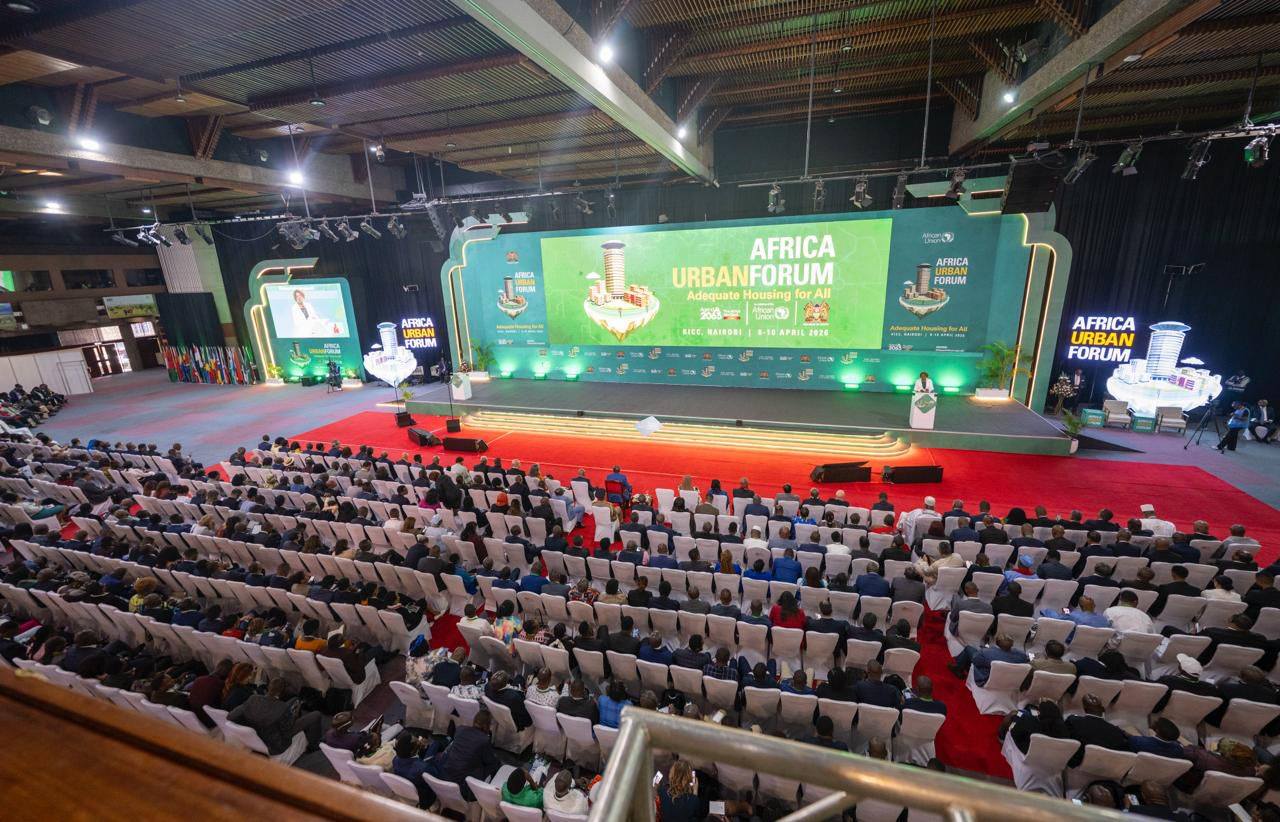
Stakeholders are converging in Nairobi for the opening of the Second Africa Urban Forum on April 8, 2026.
The three-day forum opens on April 8, 2026 in Nairobi with expectations that African leaders and partners will move from declarations to practical delivery on housing, finance, smart cities, and climate resilience.
NAIROBI, Kenya, April 7, 2026 | By George Mutua
The Second Africa Urban Forum (AUF2) officially opens tomorrow, April 8, 2026, in Nairobi, bringing together African leaders, cabinet ministers, development financiers, and youth representatives under high expectations for actionable outcomes on the continent's urban transformation.
With Africa experiencing the fastest urbanization rate in the world, stakeholders are looking to this three-day gathering to move beyond previous declarations and deliver concrete progress on affordable housing, innovative finance, technology-driven smart cities, climate resilience, and inclusive governance.
A central theme of the forum will be affordable housing and the mobilization of innovative financing mechanisms, including public-private partnerships, climate finance, and blended models. Discussions will examine the role of development finance institutions in accelerating housing delivery, with national case studies such as Kenya's Affordable Housing Program serving as reference points.
Closely linked to this is the forum's focus on technology, artificial intelligence, and smart cities, where delegates will explore how digital innovation, data analytics, and integrated command centers can transform urban management across African cities of varying scales.
Climate resilience and sustainable urban development will also take center stage, with a high-level session dedicated to the launch of the AU Urban Resilience Report. Discussions will address water-responsive urbanism, the housing-climate nexus, and the alignment of urban strategies with continental and global climate frameworks, including preparations for COP31.
In parallel, corridor urban planning and infrastructure development will be examined through case studies on the Lobito and Northern Corridors, highlighting how regional integration can drive corridor-led urbanization and attract cross-border investment.
A significant and highly anticipated component of the forum is the dedicated youth parallel session, which will place young people at the center of the housing ecosystem. Youth leaders are expected to present concrete demands and homegrown solutions related to land access, housing finance, mentorship, and meaningful participation in urban policy and implementation.
Other high-level discussions will address urban displacement and migration, featuring country case studies and contributions from regional bodies such as IGAD and UNHCR, while a separate session on local and regional government will explore fiscal autonomy and city-level finance mobilization.
Development partners, including the World Bank, the African Development Bank, UN-Habitat, and the European Union, are actively engaged throughout the forum, with a special session focused on the Regional Readiness Programme (BCRUP) aimed at resource mobilization and private sector engagement across more than twenty African countries.
The forum is expected to conclude with the adoption of a ministerial declaration, which will serve as Africa's unified urban position ahead of the World Urban Forum (WUF13) later this year in Azerbaijan. The Second Africa Urban Forum opens tomorrow morning in Nairobi, with all eyes on whether this gathering will mark a true turning point from commitment to delivery.
Amref International University Unveils State-of-the-Art Campus at 6th Graduation, Kenyatta Awards Scholarships
Former First Lady Her Excellency Margaret Kenyatta representing H.E. Uhuru Kenyatta
"This campus will be instrumental in equipping our communities with locally driven solutions. It is an affirmation of your commitment to localising innovation to strengthen primary health care across Africa," said H.E. Uhuru Kenyatta.
NAIROBI, Kenya, 11 July 2025 | By George Mutua
Amref International University (AMIU) marked a transformative milestone today, celebrating its 6th Graduation Ceremony while officially inaugurating its ultra-modern Northlands Campus in Ruiru. The event, presided over by the Fourth President of the Republic of Kenya, H.E. Uhuru Kenyatta (represented by Former First Lady Her Excellency Margaret Kenyatta), underscored AMIU's commitment to building a future-ready health workforce equipped to deliver sustainable, community-centered solutions across Africa.
The ceremony saw more than 400 graduates conferred with degrees, diplomas, and certificates across various health-related disciplines. Demonstrating a tangible commitment to advancing health education, H.E. Kenyatta awarded 10 fully funded scholarships to support bright, deserving students pursuing careers in health sciences. "This campus will be instrumental in equipping our communities with locally driven solutions. It is an affirmation of your commitment to localising innovation to strengthen primary health care across Africa," he stated, noting that advancing health education, innovation, advanced indigenous research, policy diversity, compassion, and new technologies is "now your responsibility."
The new Northlands Campus, hailed as a flagship investment in health sciences education, features cutting-edge learning spaces, modern laboratories, an innovation hub, and a world-class library. This development, made possible through significant philanthropic contributions, including a landmark gift from philanthropist Ms. MacKenzie Scott and sustained support from partners like the Kenyatta family, is set to dramatically increase AMIU's student capacity from 2,000 to 10,000 students across physical and virtual learning.
This expansion directly addresses the growing demand for health workforce training that reflects both local and international needs.
AMIU graduands celebrating their achievement
"We cherish our alliances, global, regional, and local. It is through working together that we can develop sustainable, contextually relevant education models that shape the resilient health systems Africa needs," said Dr. Githinji Gitahi, Group CEO of Amref Health Africa.
Speaking at the event under the theme "Localising Innovations to Strengthen Primary Health Care in Africa", Dr. Githinji Gitahi, Group CEO of Amref Health Africa, applauded AMIU for prioritising homegrown solutions to Africa's health challenges. "We cherish our alliances, global, regional, and local. It is through working together that we can develop sustainable, contextually relevant education models that shape the resilient health systems Africa needs," he emphasised.
Prof. Joachim Osur, Vice Chancellor of AMIU, further underscored the university's resolve to provide quality, affordable, and relevant education rooted in African realities: "We have strengthened our focus on community-based education, ensuring that learning is embedded in real-life practice and local health contexts."
The event, attended by senior government officials, development partners, university leadership, faculty, students, and alumni, signalled the beginning of a new chapter for AMIU as a regional hub for health education, research, and innovation. With the graduation of 417 students and the commissioning of the Northlands Campus, AMIU continues to drive significant progress toward the Sustainable Development Goals, particularly SDG 3 (Good Health and Well-being) and SDG 4 (Quality Education).
Government and industry leaders unveil a roadmap to transform Kenya's pig value chain, targeting 1.5 million households and a massive surge in demand by 2030.
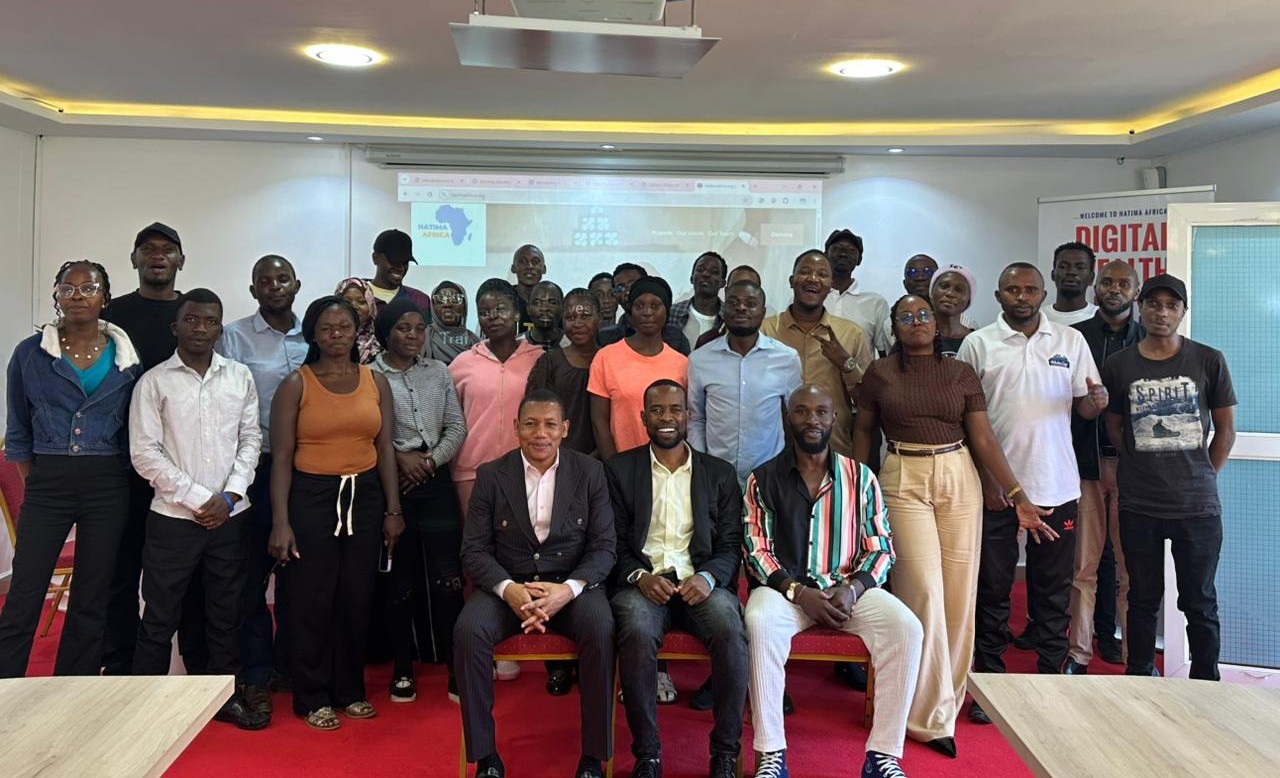
The Digital Wealth Lab program by Hatima Africa concluded with entrepreneurs mastering AI tools and digital business strategies for sustainable livelihoods.
AUF2 opens in Nairobi on April 8 with leaders, financiers, and youth groups under pressure to deliver practical outcomes on housing, smart cities, and climate resilience.
The EU announces new policies affecting trade and environmental regulations across member states.
Asia
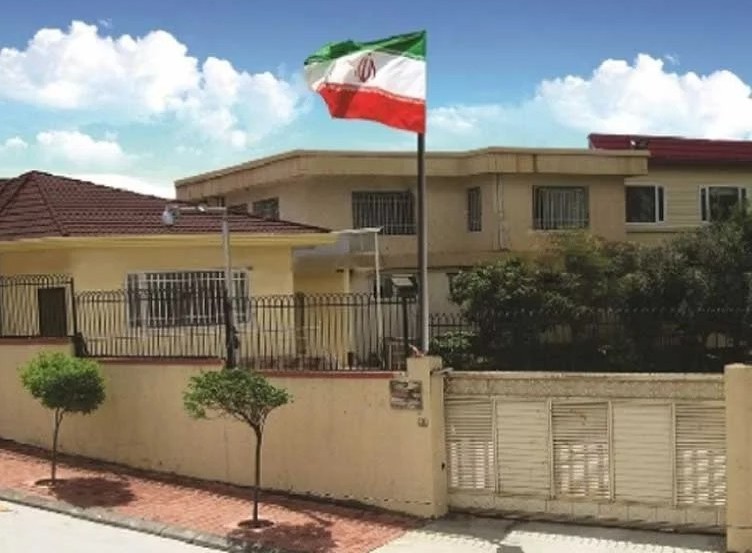
Iran Embassy in Nairobi Rejects Israeli Allegations, Defends Military Response as Legitimate Self-Defense
By George Mutua
The Embassy of the Islamic Republic of Iran in Nairobi says Iran's military response is lawful self-defense under Article 51 of the UN Charter.
"What the Islamic Republic of Iran is doing is legitimate and lawful self-defense against these brutal acts of aggression."
NAIROBI, Kenya | 13 April 2026 | By George Mutua
The Embassy of the Islamic Republic of Iran in Nairobi has issued a strongly worded press release rejecting what it described as baseless allegations and hostile narratives from Israel as the military confrontation between the two countries intensifies.
In the statement dated Monday, April 13, 2026, the mission accused Israel and the United States of carrying out what it called barbaric military aggression against Iran's sovereignty and territorial integrity, arguing that the attack was framed under a false claim of a preemptive strike that has no legitimacy under international law.
The embassy said Iran's military response is legitimate self-defense under Article 51 of the United Nations Charter and insisted Tehran would remain firm in responding to what it views as aggression by Israel and its allies.
According to the release, the current conflict began with a devastating strike on Iranian soil. The embassy alleged that 168 primary school children were killed in Minab, Iran, in an attack it attributed to American Tomahawk missiles, describing the incident as a grave breach of international law and the UN Charter.
The statement also pushed back against longstanding accusations about Iran's nuclear program, saying Tehran's activities remain peaceful and have been verified by more than 16 IAEA safeguard inspection reports. It contrasted that position with Israel, which Iran accused of possessing nuclear warheads while remaining outside the Non-Proliferation Treaty and outside IAEA inspection oversight.
The embassy said Iran has shown unprecedented transparency on its nuclear program and argued that repeated claims that Tehran was months away from building a bomb have failed to materialize over three decades.
The embassy further accused Israel of playing the victim while facing international legal scrutiny over alleged war crimes and genocide, and defended resistance movements in Lebanon, Iraq, and Yemen as actors fighting occupation, apartheid, and terror.
In the same statement, the mission painted a broader contrast between Iran and Israel, describing Iran as a civilization with more than 5,000 years of continuous history that has not attacked another country for centuries, while accusing Israel of widespread regional occupation, invasion, and civilian displacement.
The release claimed that more than 126,000 residential and commercial units in Iran have been destroyed and that thousands of civilians have been killed in a war the embassy said is being conducted without regard for the principles governing armed conflict.
On the Strait of Hormuz, the embassy said the waterway had remained open before the war and argued that any present restrictions are solely the result of US-Israeli military aggression. It said Iran had previously warned neighboring states that any country used as a launch point for attacks on Iran would be treated as taking part in aggression, while maintaining that Iran's response has been directed only at the bases and interests of the aggressors and carried out under the principles of necessity, proportionality, and discrimination.
The statement also framed the conflict in economic terms, saying Iran has endured 47 years of maximum-pressure sanctions and economic warfare by the United States and its allies. It described Iran as a victim of economic terrorism and questioned objections from the international community now that Tehran says it is responding in self-defense.
The embassy concluded by calling Israel the most dangerous entity in the world today, pointing to what it said were mass civilian deaths in Gaza and a widening regional conflict now affecting Lebanon, Iraq, and Iran. It said the Islamic Republic of Iran remains committed to peace, justice, and international law, and urged the international community to condemn the aggression and hold those responsible accountable.
Iran's embassy in Nairobi says Tehran's response to Israeli and US actions is lawful self-defense under Article 51, while rejecting accusations over its military and nuclear posture.
New trade agreements signed between North American nations to boost economic cooperation.
South America
UNIDO Launches Third Call for Proposals for Climate Innovation Fund in Developing Countries
By George Mutua
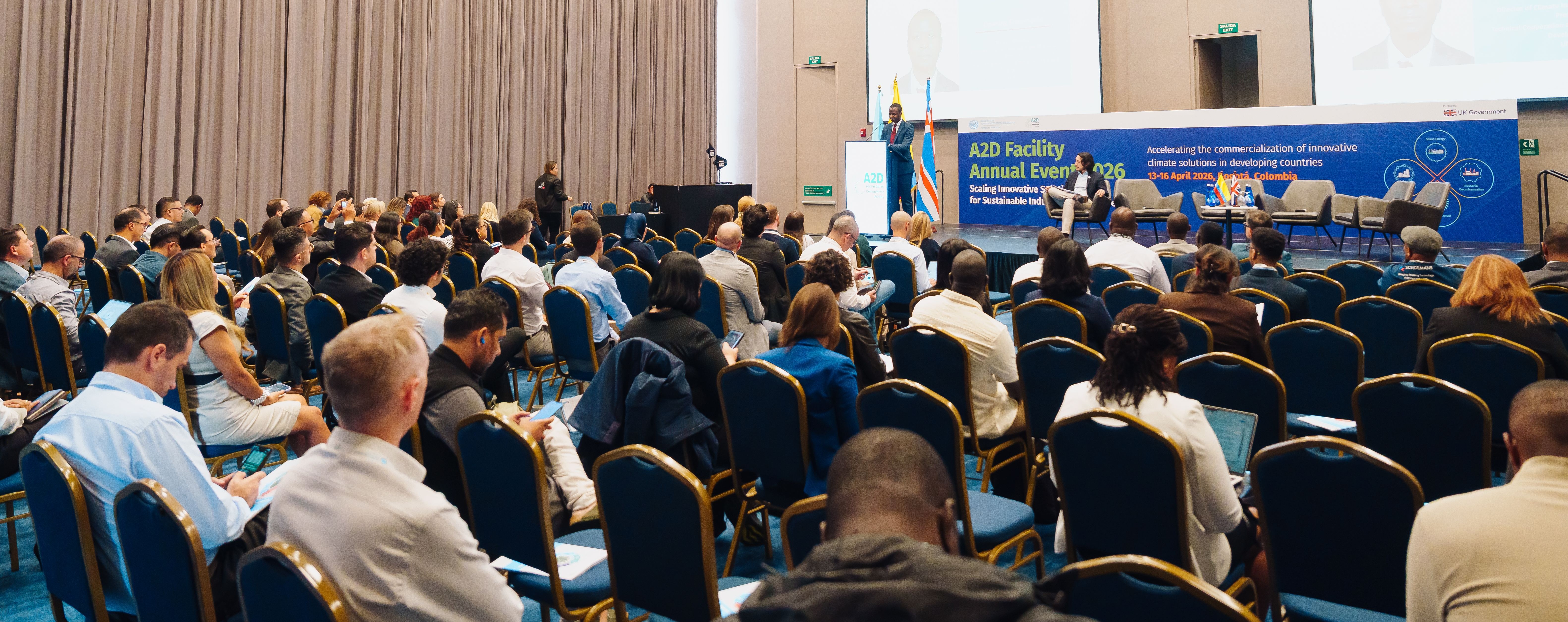
UNIDO Director General Gerd Müller announced the publication of the third call-for-proposals in Bogotá.
“The A2D Facility stands for innovative and practical solutions to global challenges. Innovation and investment for maximum impact is what UNIDO, together with our UK partners, is here to offer.”
BOGOTÁ, Colombia 14 April 2026
The United Nations Industrial Development Organization’s (UNIDO) Accelerate-to-Demonstrate (A2D) Facility has launched its third call-for-proposals during its annual event in Bogotá, representing a key step forward in promoting breakthrough innovative solutions for sustainable, resilient, and inclusive industrial development.
Funded by the UK Government through the Department for Energy Security and Net Zero and managed by UNIDO, the A2D Facility seeks to speed up the deployment of innovative “lighthouse” climate solutions in developing countries.
The call-for-proposals remains open until 18 June 2026 and targets innovative projects across four thematic areas: critical minerals, clean hydrogen, smart energy, and industrial decarbonization.
The second annual event of the A2D Facility brought together private sector participants, industry associations, financiers, government representatives, and international organizations from Africa, Asia-Pacific, Latin America and the Caribbean, and other regions. Operating under UNIDO’s principle of “Progress by innovation,” the flagship event encourages matchmaking and partnership-building, sharing of successful case studies and opportunities, knowledge exchange, and capacity building.
In a keynote video address, UNIDO Director General Gerd Müller announced the publication of the third call-for-proposals and the release of the A2D Facility’s third Annual Report, which details progress and impacts to date.
“By working together, we can share knowledge and expertise, build new partnerships, and advance innovative climate solutions for inclusive and sustainable industrial development,” said Müller.
The event also spotlighted the A2D Facility’s recently released Gender Equality and Social Inclusion Framework and Environmental and Social Management Framework, reinforcing UNIDO’s commitment ahead of the first International Day of Women in Industry on 21 April and supporting inclusive impacts across all A2D Facility projects.